The Basics of Casino Odds
In the world of casino games, understanding odds is crucial for both new and seasoned players. Odds represent the likelihood of winning a particular bet compared to the total number of possible outcomes. In many games, these odds are presented in specific formats, such as fractional, decimal, or moneyline odds. For instance, players interested in exploring no kyc casinos may find that if a game offers odds of 5 to 1 for a specific outcome, this indicates that for every $1 wagered, you could win $5, plus your original stake back if successful.
Different casino games come with different odds. For example, in slot machines, the odds are typically set by the machine itself, dictated by its random number generator software. Conversely, in table games such as blackjack or roulette, the odds can vary based on player decisions and house rules. By comprehensively understanding these odds, players can make informed decisions about their bets, ultimately enhancing their gameplay experience.
Moreover, it’s essential to grasp the house edge when examining casino odds. The house edge is the mathematical advantage that the casino has over players, ensuring their profitability in the long term. For example, in games like roulette, the house edge can range from about 2.5% to over 5%, depending on the variant being played. Recognizing this factor allows players to strategize their betting and manage their bankroll more effectively, which can lead to a more enjoyable gaming experience.
Understanding Different Casino Games
Casino games are diverse, ranging from table games to electronic gaming machines, each with distinct rules and odds. Table games, like blackjack, poker, and baccarat, often require a combination of skill and luck. Players who understand the rules and strategies can significantly improve their chances of winning. For instance, in blackjack, employing strategies like card counting can give an edge over the house by adjusting bets based on card distribution.
On the other hand, slot machines offer a different experience altogether—they are purely based on chance. Each spin is independent and determined by random number generators, making it essential for players to realize that there’s no strategy to increase one’s odds of winning. Understanding the return-to-player (RTP) percentage for various slots can be useful; this percentage indicates how much of the total wagers will be paid back to players over time.
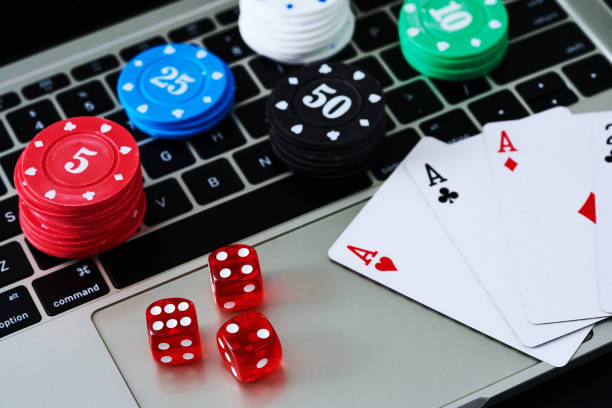
Games like poker represent a unique category where odds and skill intersect. Success in poker hinges on players’ abilities to read opponents, bluff, and calculate pot odds, which is the ratio of the current size of the pot to the size of the bet you must call. Mastering these elements allows players to make more strategic decisions, contributing to their long-term success in poker games.
The Role of Strategy in Betting
Utilizing strategy can make a significant difference in a player’s overall success in casino games. While luck plays a essential role, smart betting strategies help align the odds more favorably. For instance, in blackjack, players can adopt various strategies such as basic strategy, which involves specific plays based on the dealer’s upcard and the player’s hand. By using these strategies, players can lower the house edge to nearly 1%, significantly increasing their chances of winning.
In games like roulette, players often employ betting systems to manage their wagers, such as the Martingale system, which involves doubling bets after losses in hopes of recovery. However, it’s crucial to approach such systems with caution, as they can lead to substantial losses if losing streaks persist. A more prudent approach is to set a budget and adhere to it strictly, ensuring that gambling remains a form of entertainment rather than a financial burden.
Moreover, understanding when to quit is a vital element of gambling strategy. Many successful players establish win and loss limits, deciding beforehand how much they are willing to lose or how much profit they aim to achieve before stepping away. This practice can help mitigate the risks associated with gambling and maintain a more enjoyable experience, allowing players to walk away on a high note rather than succumbing to the temptation of chasing losses.
The Psychological Aspects of Gambling
Gambling is not solely about odds and strategy; psychological elements play a significant role in gaming behavior. Many players experience emotional highs and lows during gambling sessions, leading to impulsive decisions that diverge from logical strategy. The rush associated with winning can encourage players to bet larger amounts or chase losses, which can result in poor decision-making. Understanding these psychological elements can help individuals navigate their gambling more effectively.

Moreover, the concept of loss aversion—where individuals prefer to avoid losses rather than acquire equivalent gains—can heavily influence gambling behavior. This mental bias may lead a player to continue betting in hopes of recovering lost funds, which often leads to deeper losses. Balancing emotions with rational thought is essential to maintaining control over gambling decisions and ensuring long-term enjoyment and sustainability.
Mindfulness and self-awareness techniques can help mitigate the adverse effects of psychological factors in gambling. By reflecting on one’s behaviors and feelings towards gambling, individuals can develop healthier gambling habits. Practicing self-control and recognizing when to step back can enhance not only enjoyment of the games but also contribute to better financial management while gambling.
Insight into Responsible Gaming
Emphasizing responsible gaming is essential in the casino environment to ensure players have a safe and enjoyable experience. Responsible gaming practices involve setting personal limits on time and money spent gambling. It is vital for players to recognize their gambling habits and ensure they do not escalate into problematic behavior. Many casinos and online platforms offer tools to help players set limits and take breaks, promoting a healthier approach to gaming.
Educating oneself about the signs of gambling addiction is also crucial. These signs may include ignoring responsibilities, lying about gambling habits, or feeling anxious when trying to stop. Understanding these signals enables individuals to seek help or support when necessary. Several organizations provide resources for those struggling with gambling issues, offering guidance and counseling to regain control over their gambling behavior.
Additionally, educating new players about odds, strategies, and the nature of gambling can foster a culture of responsible gaming. Understanding the risks associated with betting can empower players to make informed choices, ultimately enhancing their overall experience and keeping the focus on enjoyment rather than financial gain. This awareness can lead to healthier gaming habits and a more balanced approach to casino entertainment.


